If you’ve ever spotted a group of runners charging through your local park on a Saturday morning and wondered what it’s all about, you’ve probably happened upon parkrun. It’s a free, weekly 5K community running and walking event held in parks and beaches across the globe. Despite the organised setup and timed results, there’s zero pressure to compete, no cut-off time, and absolutely no expectations on you needing to run the whole way.
Whether you’re a total beginner, returning to fitness, or just curious about your local running scene, parkrun is designed to be welcoming and accessible to everyone. In this beginner’s guide to parkrun, we’ll break down exactly how it works, what to expect at your first event, and everything you should know before you turn up next Saturday morning.
What Is Parkrun?
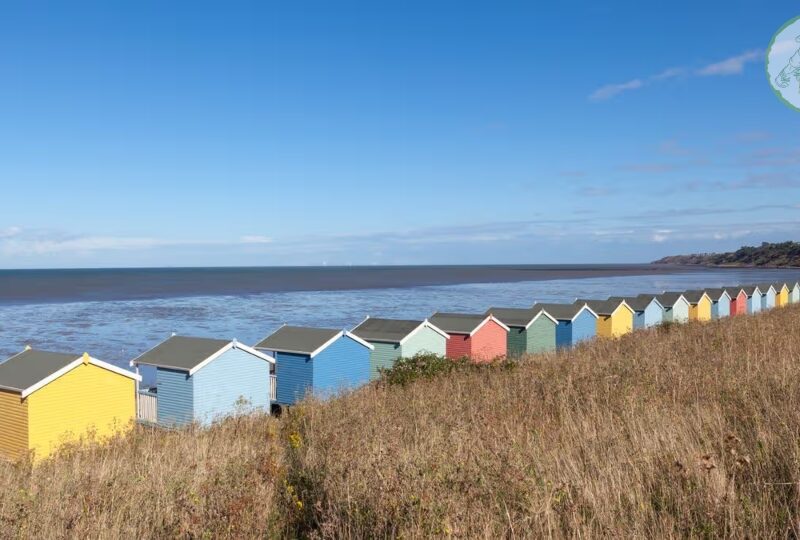
Parkrun is a free, weekly 5K community event that takes place every Saturday morning in parks, seafronts, and open spaces across the world. At its simplest, parkrun (note the lowercase p) brings together people of all walks of life and across the whole running journey spectrum. Whether it’s walking, jogging, or running, you’re guaranteed to experience a 5-kilometre course in a relaxed and welcoming environment.
It’s a volunteer-led organisation, which means every event is organised and run by members of the local community rather than any paid staff. Participants are timed, but the experience is designed to be inclusive rather than competitive. For the majority of people, parkrun isn’t a race at all – it’s an opportunity to get moving, meet others, and enjoy being outdoors.
When people ask, “What is parkrun?” or look for parkrun explained guides, what they’re really looking to understand is the balance: it’s structured enough for you to track your progress, but informal enough that no one is left behind or judged on their pace.
Whether you finish in 16 minutes or 60, you’ll be welcomed every time in the same way.

How Does Parkrun Work?
If you’re wondering how parkrun works or what actually happens at each event, the process is nice and simple, and designed to be as beginner-friendly from start to finish.
First, you register online once for free with parkrun. You’ll receive a unique barcode; this barcode is crucial – it links your name to your results every time you take part. Back in the day, you needed a copy of your barcode for every event; thankfully, you can find it in the parkrun app nowadays.
On Saturday morning, you simply turn up at your chosen local parkrun (there are between 1,300 and 1,400 weekly events to choose from!). There’s no booking, no sign-up each week, and no pressure about pace. Before the event begins, volunteers typically hold a short welcome briefing for first-timers, explaining the course and answering any questions you might have.
When the run starts, you can walk, jog, or run a 5K route that’s clearly marked and supported by marshals along the way. These marshals are all volunteers, and they’re there to guide, encourage, and make sure everyone’s safe.
It’s always good form to drop the marshals a quick “thank you” as you pass them!
When you reach the finish line, you’ll be handed a finish token. This is scanned along with your barcode, which is how your time is recorded. Later that day, your results can be found either by email or on the parkrun app.
And that is it! No complicated rules, no pressure, and no need to be a pro athlete. The whole system is built to make participation as easy and as accessible as possible.
Check Out Our Guide To Parkrun Rules And Etiquette
How To Join Parkrun (Step-By-Step)
Joining parkrun is designed to be as simple as possible, which is why it’s one of the most beginner-friendly running events in the world.
Firstly, complete the free online registration. This only needs to be done once and gives you your unique personal barcode, which is how your results are recorded every time you take part. You can print this barcode out, save it as a screenshot, or find it on the parkrun app – just make sure you have it with you every Saturday!
There’s no booking system, no waiting list, no cap on how many people can take part, and no need to sign up to individual events. All you need to do is choose which parkrun you fancy, and then turn up on the day. That’s it.
If it’s your first time, try to arrive a little early so you can listen to the first-timers’ briefing. This short introduction is typically led by the run director and covers the basics of the course, safety information, and what to expect from the event.
From there, you just line up with everyone else (faster participants typically go closer to the front), and take part at your own pace – whether that be walking, jogging, or running the whole way.
What To Expect At Your First Parkrun
If you’re looking for first-time parkrun tips or wondering what to expect at parkrun, the short answer is: a lot less pressure and much more friendliness than you may think.
Look to arrive 10-15 minutes early. This gives you time to find the start area, take everything in, get your pre-run rituals going, and avoid feeling rushed. Most events have a clear meeting point where volunteers will be setting up, and participants gradually gather together.
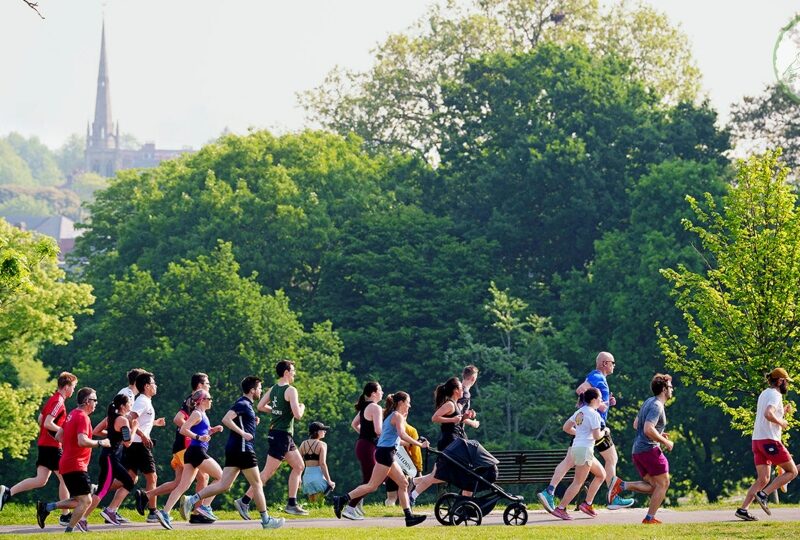
One of the first things you’ll notice is the atmosphere. Parkrun is infamous for its incredibly welcoming vibe – there’s a good mix of runners, joggers, walkers, families, dog-walkers, and first-timers all sharing the same space. It’s very common to see people chatting, stretching casually, or just enjoying the environment.
We’ve covered the first-timer briefing, but there’s also usually a pre-run briefing held on the start line by the run director. Here, the run director will tell participants about which event number this race is, the condition of the course and amendments they’ve made, and go through any personal milestones there are.
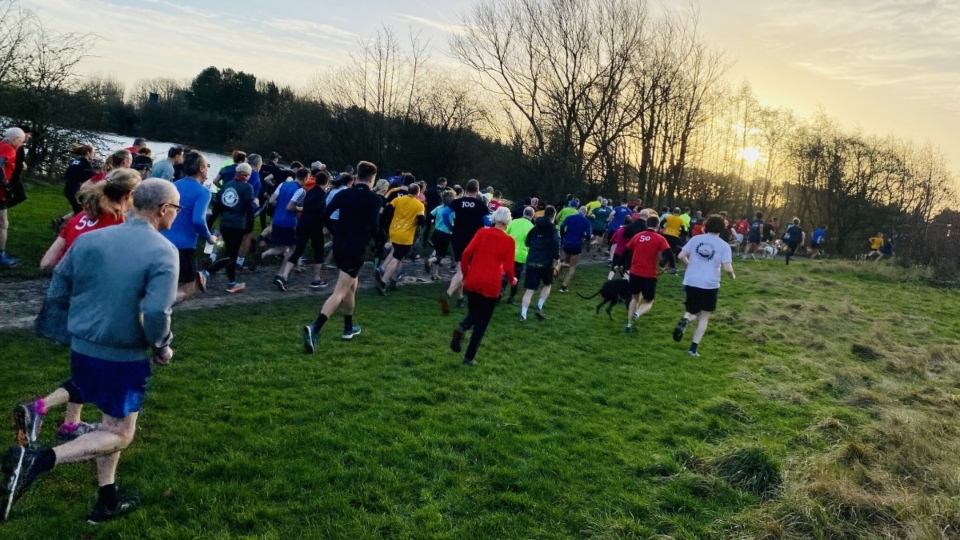
It can feel a bit busy or “chaotic” near the start, particularly with lots of people gathered together, but it’s an organised chaos that you soon get used to. Once the run begins, everything spreads out nicely within a few minutes.
Pacers can be found at most parkruns, which can be handy for knowing where to stand and how fast to run. Importantly, walkers are absolutely encouraged. You’ll always spot dedicated walkers, people pushing buggies, and groups moving at different paces – all supported equally.
After you finish, you’ll hand in your token, get your barcode scanned, and then the experience shifts into one of parkrun’s best-kept secrets: the post-run coffee culture. Many local events head to nearby cafes to chat, relax, and celebrate finishing – no matter your time.
Do You Have To Run The Whole Way?
Nope – you absolutely do not need to run the whole way.
If you’re wondering, can you walk parkrun, or do I need to be fit to do a parkrun, the answer is very straightforward: parkrun is designed for everyone, regardless of their fitness level.
Walking is completely normal, and many participants choose a walking/jogging combination, or just walk the whole 5K. You’ll see beginners building up their fitness, older adults enjoying a steady walk, and people returning to exercise after a break, all taking part comfortably at their own pace.
There’s no minimum speed, no judgment, and no expectations to finish quickly. The focus is squarely on participation and movement, not performance. Whether you run the full distance or take regular walking breaks, you’ll still get the same welcome at the finish line.
Is Parkrun Free?
Yes – parkrun is completely free, and always will be. There are no entry fees, no membership costs, and no ongoing charges to attend each week.
The whole event is run by volunteers, which is what keeps it accessible to everyone. People give their time to set up the course, time runners, hand out tokens, and support participants around the route.
While participation is free, some events may accept optional donations to help cover local costs, but this is never required. You can always buy some goodies from the parkrun shop, which helps support the organisation and show off your milestones!
How Long Is Parkrun?
Every parkrun is exactly 5 kilometres, so yes – it is always a 5K distance, no matter where in the world you take part. That consistency is part of what makes it so popular, especially for people tracking their running progress.
If you’re wondering how long parkrun is in terms of timing, it varies widely. Some participants finish in around 16-20 minutes, whilst others take 40-60 minutes or longer, depending on pace, experience, the course, and whether they’re walking or running.
There is no time limit, and every event includes a tail walker who finishes last to ensure no one is left behind. This makes parkrun fully inclusive, whether you’re chasing a personal best or simply looking to complete the distance at your own pace.
What Should You Bring To Parkrun?
When thinking about what to bring to parkrun, the essentials are actually pretty minimal. At parkrun, the most important thing is your barcode – without it, your time can’t be recorded.
Beyond that, a pair of comfortable running shoes and suitable clothing for the weather are usually all you need to get going. Most people keep it casual.
Depending on the conditions, you may also want some light extras like a water bottle, a hat, sunscreen, or an extra layer if it’s cold or wet. The key is to be comfortable rather than over-prepared.
There’s no need for specialist kit or expensive gear – just arrive ready to move and enjoy the experience.
Is Parkrun Competitive?
If you’re wondering whether parkrun is competitive, the simple answer is: not really.
First and foremost, parkrun is an inclusive community event designed just as much for total beginners as it is for avid runners. While your time is recorded and you’ll receive a position, it’s important to remember that parkrun is not an official race.
That being said, personal bests (PBs) are all a part of the experience for some people, and there are certainly runners out there who use parkrun to track their fitness improvements or set time goals. However, there are as many people simply there to enjoy a relaxed jog or walk.
On the day, you’ll naturally see different pacing groups forming, from experienced runners gunning it out front to steady joggers and walkers throughout the field. Everyone shares the same course and finish line, but at their own pace and without pressure.
Why Parkrun Is So Popular
Why parkrun is so popular boils down to a simple combination of community, accessibility, and consistency.
Parkrun is a global phenomenon because it brings people together in a genuinely inclusive way. Every Saturday morning, thousands of local events take place at the same time, creating a shared experience that feels both local and global.
The community aspect is a huge part of its appeal. So many people love parkrun because it doesn’t just get them moving, but also helps them find social connections, especially in the post-event coffee gatherings.
Parkrun is also celebrated for its huge mental and physical health benefits. Being outdoors, moving at your own pace, and taking part in something regular can make a real difference to wellbeing.
Finally, its accessibility is key: you can walk, jog, run, volunteer, or simply show up and be a part of it, which makes it welcoming for almost everyone.
Wrap Up
I love parkrun. It’s one of the simplest and most welcoming ways to get into regular exercise, whether you’re running, jogging, or walking. There’s no pressure to be fast, no cost to take part, and no requirements to be razor-sharp fit – just turn up and join in at your own pace.
For beginners, it can feel a little daunting to begin with, but most people quickly discover how relaxed and supportive the atmosphere is. If you’ve been thinking about giving it a go, the best approach is to show up one Saturday morning and try it. You may be surprised how enjoyable a humble 5K in the park can be.

Loves Parkrun. Hates running uphill. After investing in his first pair of proper running shoes, James was inspired to found What We Running in 2026 with the aim of sharing his favourite tips, tricks, and motivational hacks needed to sustain a running journey.