If you’ve spent any time on social media recently, you’ve probably seen someone sharing a marathon medal, a training update, or a race-day photo. What was once considered a challenge reserved strictly for the fittest of the fit has suddenly become one of the most popular personal goals for everyday people.
So, why is everyone running marathons now?
The modern marathon has transformed from a niche endurance event into a proper cultural phenomenon. Thousands of beginners are signing up for their first 26.2-mile (42.195 km) race every year, often fuelled by personal challenges, charity fundraising, fitness goals, and a desire to achieve something meaningful.
The rise of marathon running reflects a broader shift in how most people now view exercise. Running is no longer just about chipping away at PB times or winning races; it has become a lifestyle, a community, and even a part of someone’s identity. From local running clubs to viral training journeys online, the marathon boom has brought more people into the sport than ever before.
But what is driving this pursuit? And how has finishing a marathon become so appealing to so many of us ordinary runners?
The Marathon Has Become A Personal Challenge, Not Just A Race
For the majority of runners, completing a marathon is less about competition and more about proving they can achieve something tough. While elite runners might focus on chasing records and dream of podium finishes, the bulk of us are motivated by something far more personal: setting a goal and seeing it through.
One of the biggest reasons for the rise of marathon running is that it gives people a clear challenge to work towards. Signing up for a marathon creates a fixed target date, transforming running from a casual hobby into a structured journey. Training plans, weekly mileage, and steady improvements all lead to one defining moment: crossing the finish line.
For beginner runners particularly, the marathon provides a sense of progress that can be tough to find anywhere else. Every long run completed and every training milestone reached becomes evidence that they are getting closer to something they once thought was impossible.
Completing 26.2 miles is also symbolic. It represents discipline, commitment, and the ability to push through discomfort. Most runners don’t have a finish time in their head; they’re just looking to experience the achievement of becoming someone who has run a marathon.
In a world where many goals feel temporary or digital, the marathon offers something tangible. It’s a physical challenge with a clear beginning, middle, and end – and a reminder that ordinary people are capable of extraordinary things.

Social Media Made Marathon Running More Visible
Perhaps the biggest reason behind the marathon boom is the way social media has transformed running from a private hobby into a shared experience. Platforms such as Instagram and TikTok have made it easier than ever for runners to chronicle their journeys, connect with others, and find motivation from people pursuing similar goals.
A decade ago, someone training for a marathon might have kept their progress mostly to themselves. Today, runners share everything from their first training runs and weekly mileage updates to race-day photos and finish-line celebrations. A simple post showing a marathon medal or a personal achievement has the potential to inspire thousands of other people to consider setting up their own running goals.
Social media has also changed how people approach marathon training. Runners now share training plans, celebrate small milestones, and document the highs and lows of preparing for 26.2 miles. Seeing someone grow from struggling with their first few kilometres to completing a literal marathon evokes a sense of possibility for others.
This has helped create a huge online running community where beginners and experienced runners alike can find advice, encouragement, and running motivation. The marathon is no longer just an event that happens on race day; it is a journey that people can follow, share, and celebrate together.
By making everyday runners visible, social media has helped showcase how marathon running isn’t just reserved for the hardcore few. It is something ordinary people can take on, one training run at a time.
Running Became More Popular After The Pandemic
I still shudder at the ‘P’ word, but the pandemic did change the way many of us viewed exercise, health, and our daily routines. With gyms closed and everyday life upended, millions of people began to turn to outdoor activities as a way of staying active, managing stress, and creating structure in uncertain times. For many, running became the easiest way of spending time outside.
The pandemic didn’t create runners, but it did introduce millions of people to running.
Unlike other forms of exercise, running demands next to no equipment or planning to get going. A pair of trainers and an open road or local park are typically all you need. This accessibility made running the perfect hobby to pick up during lockdown, when we were all looking for ways to exercise independently while staying close to home.
Many new runners discovered that running gives so much more than just physical benefits. It provides time away from screens, the opportunity to clear your mind, and a sense of achievement. Short daily runs can become personal routines and a way to regain control.
As the restrictions lifted, many of these new runners continued to build on their habits. Some joined running clubs, signed up for parkrun events, or challenged themselves to longer distances, including half marathons and full marathons.
The post-pandemic running boom shows that the appeal of the sport extends well beyond pure fitness. Running provides freedom, flexibility, and a simple way of investing in physical and mental wellbeing.
Check Out Our Guide On Being A Marathon Collector
The Rise Of The “Everyday Runner”
One of the most important shifts in marathon culture is the image of who can become a marathon runner. In the past, marathons were typically viewed as events for elite athletes, serious competitors, or highly experienced runners. For many beginners, the notion of completing 26.2 miles would have felt like either a hilarious or daunting joke.
Today, marathons have become far more accessible. More everyday runners are signing up for their first race, following beginner-friendly training plans, and proving that marathon running isn’t just reserved for the quickest athletes. The focus has moved from simply chasing times towards personal accomplishment.
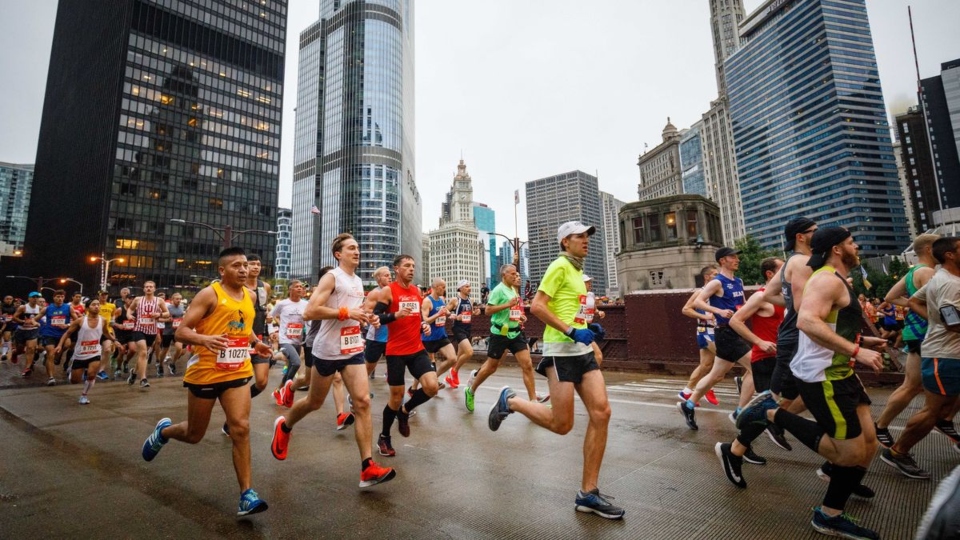
Modern marathon events are jam-packed full of people from all walks of life. Some runners train for months with the aim of achieving a personal best, while others use run/walk strategies to complete their first distance event. Many take part to raise money for charity, celebrate a personal milestone, or simply challenge themselves to do something they wouldn’t have thought possible before.
This shift has helped mould a more inclusive running community where everyone has a place, regardless of pace or experience. You do not have to finish in a certain time or look like a nonchalant athlete to call yourself a marathon runner.
For many people, the finish line matters more than the finishing time. The achievement comes from committing to the journey, completing the training, and showcasing that they were capable of something different.
Running Offers Something Missing From Modern Life
In a world where screens, notifications, and digital distractions are constant and everywhere, running offers something increasingly rare: uninterrupted time to focus on yourself. For many people, the appeal of running isn’t just the physical challenge, but also the chance to step back from the noise of everyday life.
A run creates space to think. Away from Slack messages, social media, emails, and constant demands for our attention, runners can enjoy time where they’re not expected to be productive or available. Long runs especially can become a form of moving meditation, offering a chance to process thoughts, reflect, or just enjoy being outdoors.
Modern life can often feel abstract. Success is measured through online achievements, work targets, and digital numbers that often just feel disconnected from reality. Running provides something far more tangible. You can see the distance you have covered, feel your fitness improve, and experience the satisfaction of completing something physically demanding.
This is another reason why a marathon has become so appealing. A marathon is one of the few modern challenges where the result cannot be faked. You can’t shortcut 26.2 miles, or pretend you’ve finished the training needed to get there. The finish line represents months of effort, commitment, and perseverance.
For many runners, the marathon isn’t just about fitness. It’s a reminder that they can set a difficult target, work towards it consistently, and achieve something meaningful in the real world.
Marathon Running Creates Instant Community
You might think of running as an individual sport, but one of the biggest reasons behind the marathon boom is the sense of community it evokes. A runner may complete their training miles alone, but the journey towards a marathon often connects them with thousands of other people working towards the same goal.
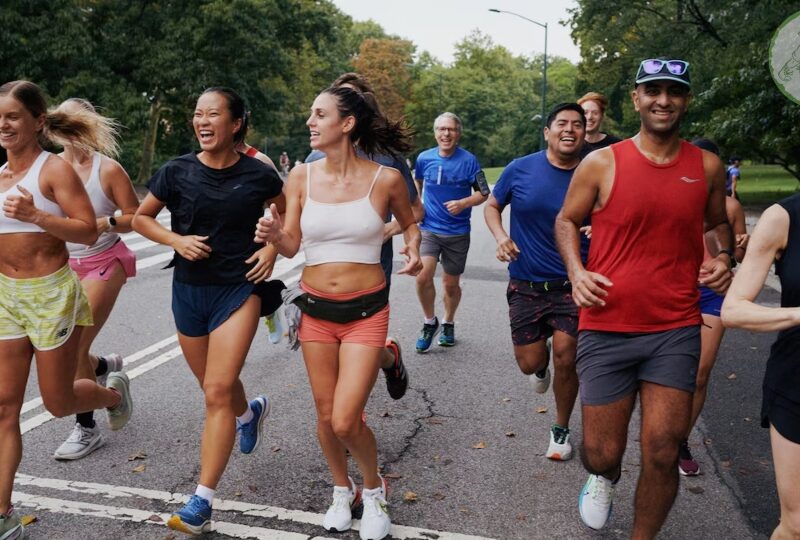
Running clubs and training groups have become an integral part of modern running culture. They provide beginners with encouragement, experienced runners with support, and everyone else with a shared sense of purpose. For someone preparing for their first marathon, joining a group can make the challenge feel far less daunting.
Events like parkrun have also become instrumental in making running more social and accessible. Weekly community runs allow people of all abilities to meet up, build confidence, and discover how running isn’t just about personal performance. It is about belonging to something bigger.
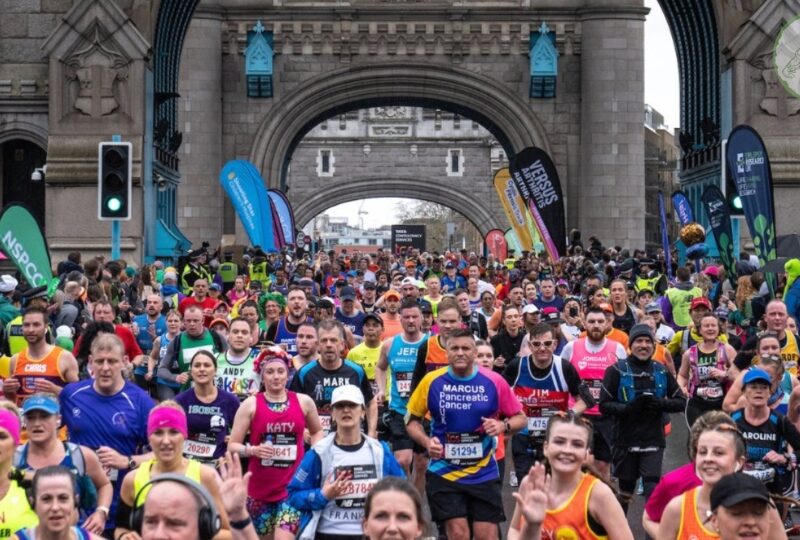
The atmosphere around marathon events highlights this even further. On race day, thousands of runners come together with different backgrounds, abilities, and reasons for taking part. Some are chasing personal bests, others are raising money for charity, and many are just looking to complete the distance. Despite these differences, everyone shares the same experience of pushing themselves towards the finish line.
Running alone is simple. Training for a marathon connects you with thousands of other people chasing the same goal. The friendships, encouragement, and shared struggles along the way are usually just as meaningful as the race itself.
For many runners, the marathon isn’t just a physical effort – it’s a community experience.
Are We All Running Marathons Because We Want A Challenge?
Modern life is more comfortable than ever, but that doesn’t mean people have stopped looking for difficult things to achieve. In a world where many challenges are removed by technology and convenience, there is something appealing about opting to do something legitimately tough.
This is one reason endurance events have become so popular. Activities like cold water swimming, hiking challenges, Hyrox competitions, and ultra running all offer people the chance to test their limits and experience meaningful discomfort. They provide a clear goal, a difficult journey, and the satisfaction of knowing they pushed themselves out of their comfort zone.
The marathon sits at the more accessible end of this challenge culture. Whilst running 26.2 miles is still a huge physical and mental achievement, it is something many ordinary people can work towards with the right training and commitment. You don’t necessarily have to possess expensive equipment, specialist skills, or years of experience to begin.
For many runners, the appeal is not just completing a race. It is about embracing the process: waking up for long training runs, staying consistent when motivation drops, and discovering exactly what you’re capable of.
The marathon represents a perfect balance between impossible and achievable. It is tough enough to feel meaningful, but realistic enough that everyday people can take on the challenge.
In many ways, the marathon boom reflects a wider desire for purpose. People aren’t just looking for easier lives – they are looking for meaningful challenges worth overcoming.
Check Out Our Guide On Why Running Becomes Addictive
Is Marathon Running Becoming Too Trendy?
With more people than ever before signing up to do a marathon, it’s natural to wonder whether running has become just another lifestyle trend. Like many popular movements, the rise of marathon culture has brought both positive and not-so-positive attention.
On the positive end, the popularity of marathon running has encouraged more people to become active and prioritise their health. Running communities have become more inclusive, with races welcoming participants of different ages, abilities, and backgrounds. The increased visibility of everyday runners has also helped break the notion that endurance sports are only for experienced athletes.
However, there are some downsides to the marathon boom. Social media can sometimes create pressure to constantly achieve, whether that means bagging a quicker time, completing a longer distance, or signing up for the next big challenge. For some people, running risks becoming another area where they feel the need to be productive rather than something they just enjoy.
There are also practical barriers. Marathon entry fees, travel costs, and training equipment can make events expensive, while online comparisons can make beginners feel like they’re not doing enough.
Ultimately, the popularity of marathon running isn’t necessarily a bad thing. A trend that encourages people to move more, connect with others, and challenge themselves can be a positive one. The key is remembering that running should be personal. Your marathon journey doesn’t need to look like anyone else’s.
FAQs
Why is Marathon Running Becoming so Popular?
Marathon running has grown in popularity because it blends personal achievement, community, and visibility. Social media has made it easier for runners to share their training journeys, while online communities provide encouragement and motivation. Events have also become more welcoming to everyday runners, making the marathon feel like an achievable goal rather than something only experienced runners should attempt.
Why do People Want to Run a Marathon?
Many people run marathons because they want to challenge themselves and achieve something meaningful. Completing 26.2 miles represents dedication, discipline, and perseverance. For some runners, the goal is improving fitness, while others are motivated by personal milestones, charity fundraising, or the simple satisfaction of finishing a tough challenge.
Is Marathon Running Good For You?
When approached sensibly, marathon training can provide many physical and mental benefits. Regular running can improve cardiovascular fitness, strength, and endurance, while the process of training can boost confidence, reduce stress, and create a sense of achievement. However, building up gradually and allowing enough recovery time is important to avoid injury.
Check Out Our Guide To The Mental Benefits Of Long Running
Are More Beginners Running Marathons?
Yes. Modern marathon events attract thousands of first-time marathon runners each year. Beginner training plans, running clubs, and more inclusive race environments have helped make long-distance running feel more accessible. Many people now complete their first marathon using a blend of running and walking instead of just focusing on pure pace.
Why do People Enjoy Running Long Distances?
Long-distance running offers a unique mix of challenge, solitude, community, and accomplishment. Some runners enjoy the quiet time and chance to think during longer runs, while others enjoy the friendships created through training groups and races. Ultimately, many people love marathon running because it provides a clear goal and the satisfaction of achieving something that once seemed impossible.
Wrap Up
The marathon boom is about much more than just running 26.2 miles. For many people, a marathon represents personal growth, community, and the satisfaction of achieving something tough. Social media, running groups, and a more welcoming running culture have helped make the challenge feel accessible to everyday runners.
While marathon running may be a trend, it is one constructed around positive goals: improving health, finding connection, and pushing personal limits. You don’t need to be the fastest runner to take part. The marathon belongs to anyone willing to take on the challenge and cross the finish line.

Loves Parkrun. Hates running uphill. After investing in his first pair of proper running shoes, James was inspired to found What We Running in 2026 with the aim of sharing his favourite tips, tricks, and motivational hacks needed to sustain a running journey.