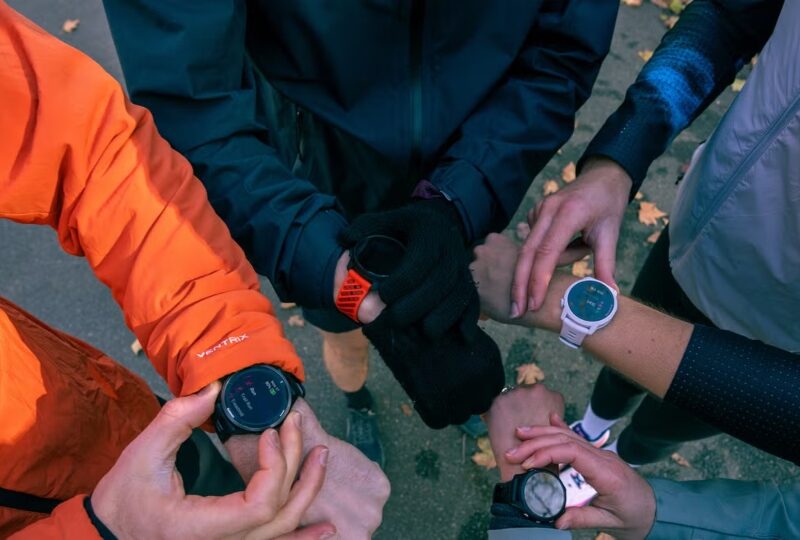

Once associated with lonely miles, serious athletes, and some seriously questionable shorts, running has somehow become cool. Gen Z has embraced the sport in ways that extend well beyond just putting one foot in front of the other. Run clubs are everywhere, Strava has a social network all of its own, TikTok is crammed full of running advice and race-day vlogs, and suddenly going for a run can mean coffee afterwards, meeting friends, exploring someplace new, or even embarking on a date.
There’s a whole culture surrounding running now, from fashionable kit and destination races to post-run brunches and increasingly popular social running clubs.
But why does Gen Z love running so much?
The answer isn’t just because running is good for you either. It offers far bigger benefits: better mental health, community, tangible progress, a sense of identity, and the chance to escape our increasingly digital world. And, unlike many hobbies, you can get going with little more than a pair of trainers and a willingness to venture outside.
Why Does Gen Z Love Running?
In short, Gen Z loves running because it offers way more than just the chance to stay fit. It’s decently affordable, easy to begin, and flexible enough to mould around almost any lifestyle. It can also provide a handy outlet for stress, a sense of routine, and the satisfaction of working towards something attainable.
But perhaps the biggest shake-up nowadays is that running no longer needs to be a solitary venture. Run clubs, parkruns, and social media have transformed it into a way to meet people, make friends, and become part of a community. At the same time, platforms like YouTube, Instagram and even Strava have helped turn running into a lifestyle and cultural movement.
So, why has Gen Z embraced the running boom? Let’s investigate.
1. Running Is Good For Your Mental Health
One of the biggest reasons why Gen Z has increasingly taken up running is that it offers something increasingly hard to find these days: time to switch off.
With phones, social media, notifications, and a near-endless stream of content competing for our attention, going for a run can serve up a rare chance to step back from all the noise. You don’t need to reply to messages, scroll through TikTok, or worry about what everyone else is doing. For a little while, it’s just you, your thoughts, and the road ahead.
Running also helps to reduce stress and improve your mood, making it a hugely appealing route to looking after your mental health. Sometimes, there’s something surprisingly productive about sinking just half an hour into doing absolutely nothing except putting one foot in front of the other.
Running Gives You Time Away From Your Phone
Of course, plenty of runners still listen to music, podcasts, or track their workouts on Strava. But running can create a boundary around screen time. Even if your phone comes with you, you’re not necessarily consuming anything from it.
That physical separation can make running feel like an actual break from our online life.
Running Provides a Sense of Routine
Running also gives people something to build into their week. A morning run, evening jog, or Saturday morning parkrun creates a small piece of structure that can be genuinely rewarding.
For Gen Z, who can face increasingly blurred boundaries between work, study, social media, and downtime, that routine can become so handy. Sometimes, just getting outside and moving about can make the remainder of the day feel a little more manageable.
2. Running Is Surprisingly Social
Running might seem like one of the most solitary forms of exercise, but that stereotype doesn’t really fit the modern running scene. For many Gen Z runners, the appeal isn’t just the run itself. It’s the people you meet before, during and after it.
The Rise of Run Clubs
Run clubs have transformed running into a genuinely social activity. Groups gather for everything from casual 5ks to structured training sessions, often finishing with coffee, breakfasts or drinks afterwards. There are also plenty of beginner-friendly groups where no one is overly competitive with their paces.
Events such as parkrun offer a similar sense of community. You can rock up alone, run or walk 5k alongside hundreds of other people, and still feel like a part of something. You don’t need to know anyone ahead of time, which removes some of the awkwardness of trying to make some new connections.
Running Has Become a Way of Meeting People
This may explain why running has become such an enticing way to socialise. Rather than sitting across from someone desperately looking for topics to bond over, you have an activity to share. Running dates, friendships, and whole social circles can develop naturally from it.
And maybe the biggest reason Gen Z has embraced running: you don’t necessarily need to love running to be a part of a running community. The kilometres are only part of the experience. For many of us, it’s that feeling of belonging at the finish line that keeps us coming back.
Check Out Our Guide On Why Running Is Replacing Nightlife For People
3. You Don’t Need Much Money To Start Running
Another reason why Gen Z has embraced running is its relatively low barrier to entry. Compared with gym memberships, cycling, climbing, skiing or expensive fitness classes, running can be incredibly cheap. You don’t need any specialist equipment or a membership. You can put on a lace up a pair of trainers and head straight out the front door.
Of course, running culture can be a very different story. Serious runners may sink £150+ on running shoes, while Garmin watches, race entries, technical clothing, gels, and headphones can soon stack up.
But it’s worth remembering that none of this is essential. You can run in whatever trainers you already have, find free routes online, and build your fitness without having to break the bank.
For a generation grappling with a rising cost of living, that makes for a pretty enticing combination. Running can be extremely cheap, especially when running culture at the top end can be incredibly expensive. The sport remains accessible, regardless of how much you want to sink into it.
4. Social Media Has Made Running Cool
We can’t mention Gen Z’s relationship with running without mentioning social media. Platforms like TikTok, Instagram, and Strava have totally changed how the sport is presented. Running isn’t just something you do anymore; it’s something that you can share, document, and construct an identity around.
Scroll through your running content, and you’ll see everything from PBs and race-day vlogs to training journeys, running outfits, memes, and “come run with me” videos. Suddenly, a sport that was once stereotyped as being repetitive is shown to be social,, aspirational, and even fashionable.
Strava Turned Running Into a Social Network
Strava has played a considerable role in this. Runners can share their routes, compare times, celebrate PBs and follow friends, transforming what could have otherwise been a solitary activity into something far more social.
TikTok Made Running More Accessible
TikTok has taken this notion even further. Rather than only seeing elite athletes running astonishingly quick times, beginners can watch normal people chronicling their first 5k, grappling with tough training sessions, and steadily improving.
Running Influencers Normalised the Beginner Experience
That matters. Seeing someone else begin from zero makes running feel achievable rather than intimidating. Social media hasn’t just shown Gen Z that people run; it has shown them that people like them can take up running too.
5. Running Gives Gen Z Something To Work Towards
Running also presents something that can be surprisingly tough to find elsewhere: clear, measurable progress.
There is always another milestone to chase. Your first run can become your first 5k, then your first parkrun, a sub-30-minute 5k, a sub-25, a 10k, a half marathon, and eventually a marathon. Along the way, there are PBs, distance milestones, training plans, weekly mileage, and race medals to keep you motivated.
That sense of progression can be especially satisfying. You can look back at an old Strava activity and see precisely how far you’ve come.
For Gen Z, that might be particularly appealing in a world where progress in other areas of life can feel less straightforward. Education, careers, housing, and finances don’t always come with obvious milestones or immediate rewards.
Running does. You put in the work, and the numbers give you something you can point toward to show for it.
6. Running Creates A Sense Of Identity
There’s a subtle difference between saying “I go running” and saying “I’m a runner.” At some point, running can stop being something you sometimes do and become part of who you are.
You purchase running shoes. You follow your favourite running accounts. You have a Strava profile. You know your favourite routes. You share your PBs. Eventually, you may even find yourself planning weekends around races or meeting friends through your local running group.
None of these things necessarily make someone a “serious” runner. That’s the point. Running can become an identity without requiring you to be especially fast or competitive.
For Gen Z, that sense of belonging can be incredibly potent. You’re not just exercising; you’re joining a community of people who share something with you.
And that’s when running becomes more than an exercise. It becomes a part of your routine, your social life, and, eventually, how you view yourself. You stop thinking of running as something you do, and start thinking of yourself as someone who runs.
Check Out Our Guide On How Running Becomes Part Of Your Identity
7. Running Is A Way To Escape The Digital World
Here’s one of the most striking contradictions we’ve seen in the modern running boom: social media helped make running popular, but running can also allow you to escape it.
For a generation that has grown up surrounded by notifications, screens, and endless scrolling, going for a run offers something refreshingly physical. You’re able to leave your phone in your pocket, head outside, and spend even just half an hour with nothing pulling your attention away.
There’s also the simple pleasure of exploring somewhere new, whether that’s a local park, a different neighbourhood, or a trail you’ve never hit before. You get fresh air, movement and time alone with your thoughts.
Of course, plenty of runners still track every mile on Strava and share their sessions afterwards. But perhaps that’s all part of the appeal.
Gen Z didn’t happen upon running despite living online. Running may actually be popular partly because we reside almost fully online.
8. Running Fits The Gen Z Lifestyle
Maybe the easiest explanation for running’s boom in popularity is that it fits around almost anything. You don’t need to organise your life around it; you can fit running into the life you already.
You can run at 6 am before work or university, squeeze in 20 minutes between commitments, or head out late in the evening. You can run alone when you want some time to yourself or join a group and run alongside 100 other people.
It’s also flexible in terms of how seriously you play it. One week, you may follow a rigid training plan and chase a PB. The next, you may simply jog around the park for a quick 20 minutes.
Running is also easy to take with you. Whether you’re travelling, moving to a new city or simply exploring somewhere different, you don’t need to find a gym or learn a new activity.
It’s adaptable, accessible and totally on your terms – which makes it surprisingly well suited to modern living.
Why Running Is So Popular With Young People
So, why has running become such a popular hobby among younger people? There isn’t a single answer here. Rather, its appeal stems from the blend of physical, social, and psychological benefits.
| Reason | Why it appeals |
| Mental health | Provides stress relief and time away from screens |
| Community | Run clubs are a gateway to social connection |
| Affordability | Low barrier to entry |
| Social media | Makes running visible and aspirational |
| Progress | PBs and distances provide clear goals |
| Identity | Running can become a part of who you are |
| Flexibility | Fits around almost any lifestyle |
| Achievement | Provides tangible results |
Ultimately, running presents Gen Z with something that’s accessible, social, measurable, and meaningful – while still lending people the freedom to make the sport their own.
Check Out Our Guide On How Running Helps During Difficult Times
The Future Of Gen Z Running
If Gen Z’s relationship with running continues to evolve, the sport could become even more social, accessible, and lifestyle-focused. We may see more casual races, beginner-friendly running spaces, and run clubs that feel as much like social events as training sessions, with coffee, food and conversation built into the experience.
Technology is sure to keep on playing a big role too, from smartwatches and running apps to online communities that transform digital connections into real-world friendships. Running is also becoming increasingly tethered to fashion and lifestyle, with shoes, clothing, and race-day experiences becoming part of the culture surrounding the sport.
But Gen Z isn’t necessarily changing running itself. They’re changing what being a runner looks like.
And perhaps that’s why the current running boom feels like a passing trend and more like a cultural shift.
Wrap Up
So, why does Gen Z love running? The answer extends well beyond fitness. Running presents a rare combination of community, measurable progress, affordability, flexibility, and time away from the digital world. Social media might have helped make running cool, but the reasons people keep turning up and running are far more personal.
For some, it’s about chasing PBs. For others, it’s meeting friends, clearing their heads, or simply having somewhere to go for half an hour.
Ultimately, Gen Z isn’t just participating in a running boom. They’re reshaping what running can mean – turning an individual sport into a lifestyle, a community and an identity.

Loves Parkrun. Hates running uphill. After investing in his first pair of proper running shoes, James was inspired to found What We Running in 2026 with the aim of sharing his favourite tips, tricks, and motivational hacks needed to sustain a running journey.