For decades, nightlife was one of the chief ways people socialised, met new folks, and escaped the routine of the everyday grind. A Friday night down the local, a trip to a bar or a late-night out with some friends were all a part of how we made connections and created memories.
But, for some people, the idea of ‘going out’ is evolving. Rather than staying up late drinking and spending the better half of tomorrow recovering, they are opting for an early morning run, a local running club, or a Saturday parkrun. The shift from pubs and clubs to running groups reflects a wider change in how we view our health, community, and socialising.
Running is no longer seen by everyone as just exercise. For many, it has become part of their identity – a way to meet new people, set some goals and feel connected. While running isn’t replacing your local boozer, the growth of social running and running communities does suggest that more people are finding the same sense of belonging through miles rather than big nights out on the town.
Why People Are Choosing Running Over Going Out
For many people, the appeal of nightlife was never just about the location – it was about the connection. Going to a pub, club, or bar gave people a chance to meet up with friends, make new memories, and feel part of something. The conversation, shared experiences, and sense of belonging were typically the biggest reasons people went out.
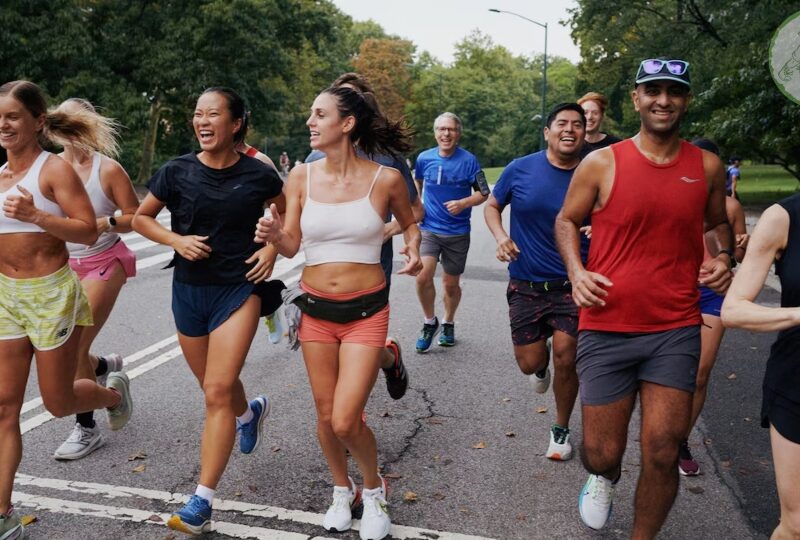
More and more, people are discovering that the same social benefits can be found through running. The growth of run clubs, parkrun events, and social training groups has turned running from a solo activity into a way for people to build friendships and make new connections.
A modern running community can provide many of the same things people hit the streets on Friday night searching for. Rather than meeting friends over drinks, people are catching up over a weekend run, grabbing a coffee afterwards, or training together for a local race. These shared experiences create strong connections because everyone is working towards the same goal.
For beginners in particular, beginner running groups can make starting the sport feel far less intimidating. Joining a group means having people encouraging you, celebrating your progress, and sharing all the highs and lows that come with a running journey. You don’t need to be fast or a veteran athlete to become a part of a community.
The rise of social running groups also mirrors a broader change in how people look to spend their free time. Many runners are looking for activities that help them to feel fitter, more connected, and more fulfilled. A weekly run becomes something to look forward to – a chance to catch up with people, meet new friends, and feel a part of a wider group.
We’re obligated now to say that running doesn’t need to totally replace a good night out. We all still love restaurants, bars, and more conventional social surroundings. However, running does present a different type of social experience: one built around movement, encouragement and shared achievement.
For some people, the new Friday night out isn’t found in a crowded bar, but on a running route surrounded by people chasing similar goals. The friendship formed through running communities showcases how connections don’t always need to come in the late hours of the night – sometimes, it happens with trainers on and a few kilometres ahead.
Running Fits Better With Modern Lifestyles
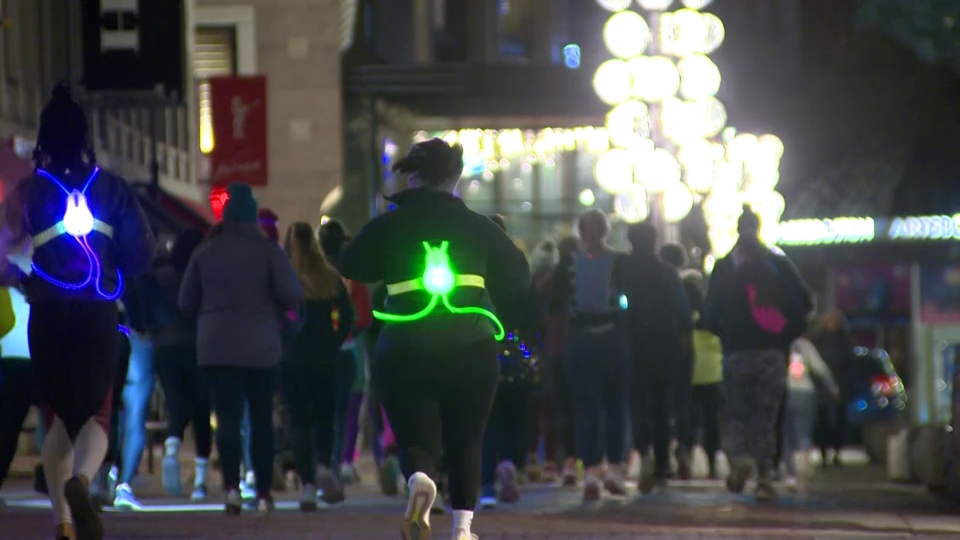
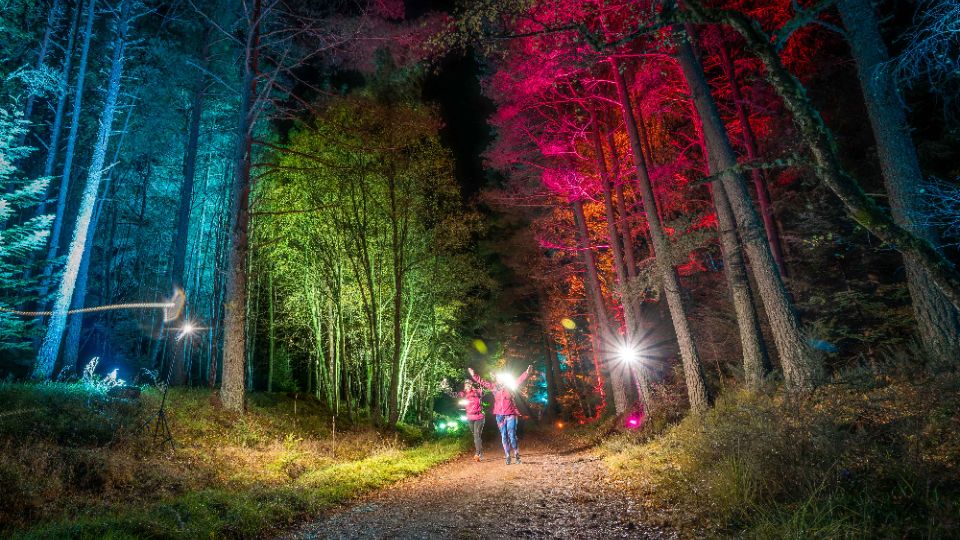
Another reason why some people have turned to running over traditional nightlife is that it often fits more naturally into modern lifestyles. As work schedules become more and more hectic, and people put more emphasis on health and wellbeing, many of us are looking for ways to socialise that leave us feeling energised rather than exhausted.
For many people, late nights out can be tricky to juggle with a demanding schedule, family commitments, and busy routines. A night of drinking may be enjoyable in the moment, but it can also mean losing the following morning. If you know, you know. Running offers a different sort of reward: an activity that can improve mood, increase energy levels, and create a sense of achievement.
The rise of early morning runs and weekend running groups reflects this shift. Rather than staying out until the early hours of the morning, some people are opting to begin their day with movement, fresh air, and time spent with others. A parkrun on a Saturday morning or a local social running club can become a positive weekly routine that supports both physical and mental health.
There is also a financial element. Nights out are expensive enough, and not getting any cheaper anytime soon; running provides a much more accessible way to spend time with friends. Once someone has a pair of running shoes, many social runs, community events, and training sessions are free or relatively inexpensive compared with regular trips to bars and restaurants.
| Nightlife | Running |
| Late nights | Early starts |
| Often alcohol-focused | Health-focused |
| Short-term enjoyment | Long-term goals |
| Expensive nights out | Low-cost activity |
Again, we shouldn’t flex that running is the great replacement for every social activity. We still love going out, celebrating occasions, and spending evenings with friends. However, for some, running better matches the lifestyle they want to create – one focused on feeling healthier, achieving goals, and having more energy for everyday life.
The appeal of running is that it combines social connection and personal progress. Rather than simply looking back on a good night out, runners often finish a session with a feeling of accomplishment, whether that means completing their first 5k, improving their pace, or just showing up when they planned to. For some people, that feeling has become the new way to unwind and recharge.
Check Out Our Guide On How To Become A Morning Runner
People Want Experiences, Not Just Entertainment
Another reason running is becoming more appealing for some people is that it offers more than simple entertainment – it creates experiences. While a night out may provide a good few fun hours, running often gives people something to build towards, remember, and share long after the event has come to an end.
Modern running culture has grown around milestones and achievements. For many runners, completing a first 5k, earning a race medal, or achieving a personal best becomes a meaningful moment. These goals create a sense of progress and give people something to celebrate.
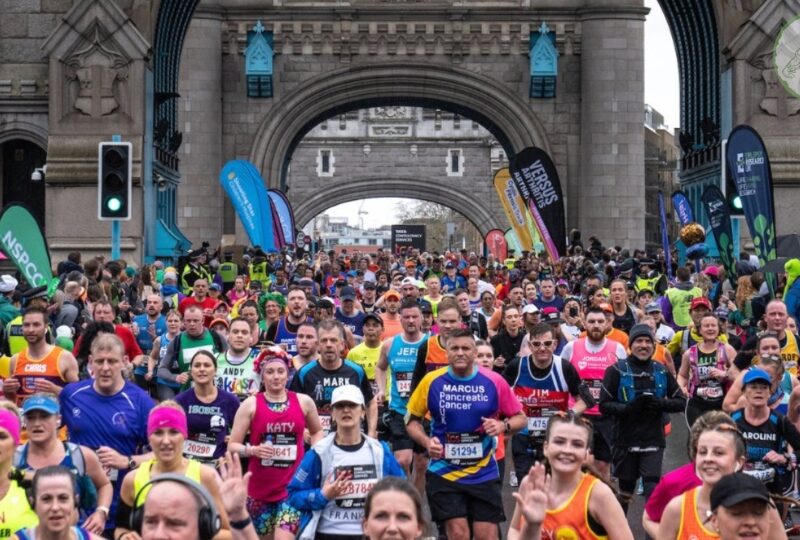
The rise of organised events has also turned running into an experience in itself. People are travelling for races, exploring new places through parkrun tourism, and planning trips around famous routes or local running events. These race experiences combine fitness, travel and community, creating memories that go beyond the run itself.
Having clear running goals can also make everyday training more rewarding. A weekly run is no longer just exercise – it becomes part of a bigger journey towards a target, whether that is finishing a first race, improving a time or taking on a new challenge.
For some people, running has become a new way to collect experiences rather than just spend time. The stories they share aren’t only about where they went, but what they achieved along the way.
Running Can Improve Mental Health
For some people, the appeal of running extends well beyond just fitness. One of the biggest reasons so many people have stumbled into the running world is the positive impact it can have on mental wellbeing. Regular running can provide a sense of routine, an opportunity to clear the mind, and a healthy way to manage everyday stress.
Many runners describe their time on the road or trail as a form of escape. A run can create space away from work pressures, daily responsibilities, and constant distractions. These running mental health benefits are one more reason why so many people are turning to the sport as part of their overall approach to wellbeing.
Running can also build confidence through small achievements. Completing a first run, increasing distance, or reaching a personal milestone creates a sense of progress and reminds us that improvement stems from consistency. For some, this feeling of achievement becomes just as rewarding as the physical benefits.
However, running isn’t a replacement for every form of socialising. People still need different experiences, relationships, and ways to relax. Rather, running for wellbeing offers another option – especially for those who find that traditional nightlife no longer provides the connection or fulfilment it once did.
For some people, swapping late nights for running is not about giving something up. It is about finding a routine that better supports the life they want to build.
Check Out Our Guide On How Running Benefits Your Mental Health
The Rise Of Running Clubs: The New Social Scene
One of the biggest signs that running is becoming more than just exercise is the growth of running clubs and social running groups. Across towns and cities, people are joining organised runs not just to improve their fitness, but also to meet others and find a sense of community.
Running clubs have become popular because they blend exercise with social connection, giving people a way to meet others without the focus on alcohol or late nights. For many adults, particularly those who have moved to a new area or find it tough to make friends after school or university, a running group is one of the surefire ways of connecting with people.
A major reason for their popularity is that many clubs are now designed to be beginner-friendly. You don’t need to be an experienced athlete or have a fast pace to join in. Many groups welcome runners of all abilities, creating an environment where people can learn, improve and socialise without feeling intimidated.
The social aspect often continues after the run itself. Many groups organise post-run coffees, breakfasts, or casual meet-ups, creating the same kind of relaxed conversations people may have reserved for the local boozer back in the day. The difference is that the shared experience begins with movement and achievement rather than drinks.
Events like parkrun have also played a major role in making running more accessible. Local parkruns bring together thousands of people every weekend, from total beginners to experienced runners, all taking part in a shared community experience.
Beyond weekly runs, charity events and race communities have created new ways for people to socialise. Training for a marathon, supporting a cause or travelling to a race can connect people through a common goal.
For some people, running clubs have become the new versions of social gatherings. They offer friendship, encouragement, and a regular reason to get together – proving that social connection does not always need to happen in a bar or club. Sometimes, it starts with a pair of running shoes and a group of people setting out for a few kilometres together.
Why Younger Generations Are Drinking Less, And Running More
The rise of running culture also mirrors a wider tweak in how some younger adults think about socialising, health, and free time. Despite some of the fearmongering you may have seen elsewhere, we’re not here to say that young people have abandoned the nightlife; however, it is fair to say that there is growing interest in alternatives to traditional drinking-focused activities.
The sober curious movement has encouraged more people to begin questioning their relationships with alcohol and explore social experiences that don’t revolve around pints and shots. For some, choosing a run, fitness class, or outdoor activity feels more rewarding than spending money on a night out and feeling tired the next day.
This change is closely tied to the growth of wellness culture. Health, mental wellbeing and personal development have become increasingly important priorities, with many people looking for habits that support their long-term goals. Running fits naturally into this mindset because it combines exercise, community, and trackable progress.
Social media has also helped fuel the popularity of Gen Z fitness trends. Platforms like Instagram and TikTok have helped turn running into a lifestyle, with people sharing race achievements, training journeys and group runs. Instead of simply showing where they went on a night out, many people now choose to share the challenges they are completing and the goals they are working towards.
For some younger adults, running represents a different type of social life – one focused on experiences, connection, and wellbeing. It isn’t about replacing every night out, but about finding new ways to spend time with others.
Check Out Our Guide On Why Gen Z Loves Running
FAQs
Why Are People Replacing Nightlife With Running?
Some people are choosing running over traditional nightlife because it provides many of the same social benefits while also supporting their health and wellbeing. Running communities, clubs and events create opportunities to meet new people, build friendships and share experiences. For many runners, achieving goals such as completing a first race or improving a personal best also provides a sense of achievement that lasts beyond a single night out.
Are Running Clubs Replacing Bars?
Yes, at least for some people. Running clubs offer a similar environment to nightlife by bringing people together regularly and creating opportunities to meet new friends. The difference is that the focus is usually on movement, conversation, and shared goals rather than a boozy evening. Many groups also include post-run coffee or social events, making them a new kind of community space.
Why is Running Becoming More Popular?
Running has blossomed in popularity because it is accessible, affordable and both physically and mentally beneficial. People can begin with very little equipment, join beginner-friendly groups, and become part of a supportive running community. The low cost and flexibility of running make it an appealing go-to for busy lifestyles.
Is Running Better Than Nightlife?
It all depends on the person. Running and nightlife offer different experiences, and one does not completely replace the other. Running can provide fitness benefits, routine, and achievement, while nightlife can offer different forms of entertainment and connection. Many people enjoy a blend of both.
Why do People Enjoy Running Socially?
Social running is popular because it combines exercise with friendship. Shared goals, encouragement from others and conversations before or after a run help create strong connections. For many people, a running group becomes more than a place to train – it becomes a community.
Wrap Up
Running may not be replacing nightlife for everyone, but for some people it has become a new way to socialise, connect, and create meaningful experiences. The rise of running clubs, parkruns, and race communities shows that people are looking for more than just entertainment – they want belonging, achievement and activities that support their wellbeing. Whether it is meeting friends on a weekend run, chasing a new goal or exploring a new race location, running offers a different kind of social experience. For many, the best nights out are now the runs they remember.
Check Out Our Guide On Why Running Becomes Part Of Your Identity

Loves Parkrun. Hates running uphill. After investing in his first pair of proper running shoes, James was inspired to found What We Running in 2026 with the aim of sharing his favourite tips, tricks, and motivational hacks needed to sustain a running journey.