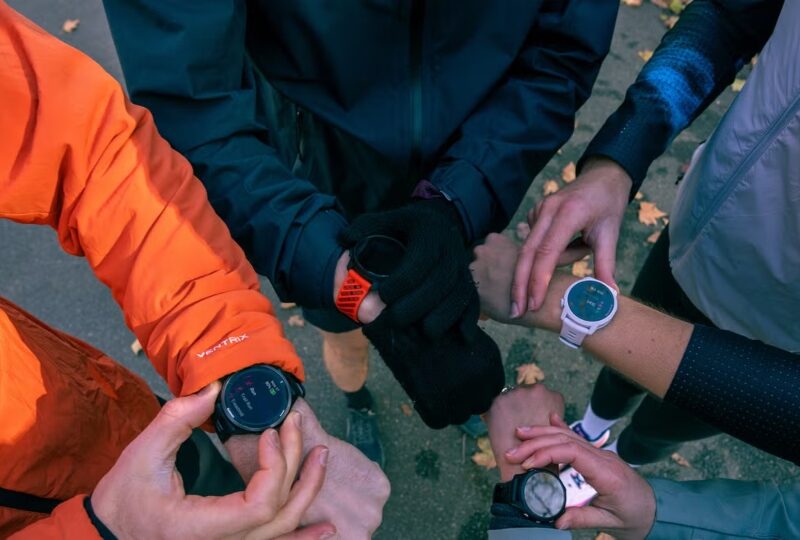

Running has this tendency to become more than just a hobby. At first, it’s something you do to get fitter, clear your head, or challenge yourself. Before long, your weekends orbit around parkrun or other events, your camera roll is full of finish lines and GPS maps, and your friends are claiming running is your whole personality. Somewhere down the line, you stop saying “I go running,” and begin claiming “to be a runner.”
If any of that sounds at all familiar, don’t worry, you’re not alone. For many of us, running has become part of our identity because it offers so much more than just fitness. It shapes our routines, builds confidence, creates friendships, and changes how we view ourselves. Join us at What We Running as we explore why running becomes part of your identity, the psychology behind becoming a runner, and why that shift in mindset is often one of the biggest reasons people keep coming back for more.
What Does It Mean For Running To Become Your Identity?
When people claim that running has become part of their identity, they don’t necessarily mean they’ve just become obsessed with it. Rather, they mean it’s become a part of how they see themselves.
Think about the difference between saying something like “I play football,” and “I’m a footballer.” The first describes an activity you enjoy, while the second describes who you are. The very same thing happens with running. To begin, you may say “I run a couple times a week.” But, over time, those runs become regular parts of your life, leading you to switch things up by saying something like, “I’m a runner.”
That shift might seem subtle, but psychologists have found that identity plays a powerful role in shaping our behaviour. When you identify as a runner, you’re more likely to make decisions that reinforce that identity. You sign up for races, lace up even when the weather is foul, or prioritise an early bedtime before a long run because actions like that feel consistent with the sort of person you believe yourself to be.
In other words, running stops being just something you do, and becomes part of who you are. And, once that identity has a hold of you, maintaining the habit typically feels more natural than forcing yourself to stay motivated.
Running Gives You Regular Proof Of Who You Are
One of the biggest reasons running becomes part of your identity is that each run provides evidence of the kind of person you believe yourself to be. Instead of leaning on motivation alone, your brain starts to recognise patterns. If you lace up your shoes three or four times per week, you’re constantly reinforcing that you’re disciplined, resilient, and consistent.
This concept is referred to as identity-based habits. Rather than just focusing on outcomes like running a faster 5k or completing a half marathon, you start to reinforce the belief that you’re someone who shows up, even when it’s tough. Every completed run becomes another tick in the box of the identity of someone who doesn’t quit.
Now this doesn’t mean that it needs to be perfect each time. Missing one run because life gets hectic, or because you’re recovering from an injury, doesn’t suddenly mean you’re not a runner anymore. Just like how one healthy meal doesn’t upend your lifestyle overnight, one missed session doesn’t erase the habits you’ve formed.
It’s the consistency over weeks, months, and even years that strengthens your running identity. The more you act like a runner, the more natural it feels to think of yourself as one – and the easier it becomes to keep going.
Progress Changes How You See Yourself
All of us remember what those first few weeks of running felt like. You may have struggled to run for five minutes without a break, questioned whether you had it in you to run, or wondered how everyone else made it look so easy. But the beauty of running is that progress comes in many forms, and each milestone steadily changes how you view yourself.
Your first parkrun shows you can finish. Your first 10k is proof you can do more than you imagined. A race medal becomes a reminder of the effort you’ve sunk, while finishing your first winter run or scaling a tough incline demonstrates resilience when the conditions are less than perfect.
None of these achievements needs to be extraordinary on their own. What matters most is the message they relay to your brain: I can do tough things.
Every success chips away at old beliefs and replaces them with new ones. Rather than thinking “I’m not a runner,” you start believing “This is something I do – and someone I am.”
Running doesn’t just improve fitness – it moulds the story you tell yourself.
Over time, those stories become your identity. You’re no longer measuring yourself by what you couldn’t do when you began, but by everything you’ve achieved since taking that first step.
Running Creates Rituals And Routines
Another huge reason why running becomes part of your identity is that it gradually shapes your weekly routine. What starts out as the odd jog soon develops into familiar rituals: Tuesday afternoon interval sessions, a Saturday morning parkrun, or a casual Sunday evening long run. As race season nears, your training plan begins influencing weekends, holidays, and even your bedtime.
We humans naturally find comfort in routines. They reduce our decision-making, provide structure, and give us something to look forward to. Running sits nicely in that pattern, turning exercise from something you need to do into something that just feels like a part of your week.
Before long, you stop trying to squeeze runs into your schedule, and instead build your schedule around them. You may opt out of late nights before a race, land of a holiday with some scenic run routes, or wake up early to fit a morning run in before work.
The important thing here is that these decisions don’t feel like sacrifices. Rather, they feel like natural extensions of the person you’ve become – a runner who genuinely does want to make running a staple of their everyday life.
The Running Community Reinforces Your Identity
Running may look like an individual sport from the outside, but another reason why people continue with it is the sense of community that comes along with it. From chatting with parkrun volunteers on a Saturday morning to joining a local running club, races and online groups, running opens the door to near-endless possibilities to connect with other people who share the same passion.
Over time, these connections start reinforcing your identity as a runner. You begin spotting familiar faces at events, sharing training updates on Strava, celebrating personal bests with friends and family, and encouraging others through their own schedules and milestones. Running becomes less about just completing kilometres, and more about being part of something bigger.
Eventually, the people around you may even begin describing you differently. Rather than saying you enjoy exercise, they may claim, “They’re really into running.” That subtle change showcases how running has become part of how others see you too.
For many runners, some of their closest friendships come from the sport. They meet training partners, travel to races together, and build communities around shared goals. That sense of belonging makes running feel less like a solo pursuit, and more like a fundamental part of their social life.
Whether it’s a weekly parkrun event, a local club session, or an online running community, the people around you help shape the identity you’ve constructed through running.
Running Helps People Through Tough Times
For a lot of us, running becomes part of our identity because of when it comes into our lives. It often starts during periods of change or uncertainty – a difficult breakup, a period of grief, overwhelming stress, anxiety, or a major life alteration. At a time where everything else seems unpredictable, running serves up something simple: a reason to get outside and take one step at a time.
A run can provide structure when your routine has collapsed, control when other parts of life feel unclear, and purpose when you’re looking for direction. The goal may be as small as making it around the park or as ambitious as training for a marathon, but the act of showing up evokes a sense of progress.
Many runners look back on challenging periods of their lives and remember running as the thing that helped them through it. They associate certain routes, races, or training periods with moments of personal growth and recovery.
This is why running is so often more than just exercise. It becomes part of the story you spin to yourself. You don’t remember the miles you ran – you remember who became on the back of them.
For many of us, running becomes part of who we are because it helped to rebuild who we were.
Check Out Our Guide On Why Running Helps During Difficult Times
Your Brain Craves The Feeling
While many of us will refer to the “runner’s high,” the reason running becomes part of your identity goes well beyond endorphins. Over time, your brain begins associating running with a swath of positive feelings: achievement, confidence, stress relief, and emotional balance.
Think about the feeling you get after a tough run, hitting a new PB, or just getting outside after a challenging day. Running creates small moments of success that build self-belief. Each time you overcome discomfort or follow through on a goal, you reinforce the idea that you are capable and resilient.
Eventually, you not only crave the physical act of running – but also the feelings tied to it. You want the clarity after a run, the confidence that comes from making progress, and the satisfying sensations that stem from knowing you’ve done something hard.
These experiences become tethered to your sense of self. Running becomes part of your self-esteem because it represents the qualities you value in yourself: discipline, perseverance, and the ability to keep pushing forward.
Is It Healthy For Running To Become Your Identity?
In most instances, having running become part of your identity is a positive thing. Seeing yourself as a runner can make it easier to stay motivated, build healthier habits, and maintain consistent relationships with exercise. It can also provide confidence, resilience, and a sense of achievement that extends far beyond just running itself.
Identifying as a runner can serve as a reminder that you’re someone who commits to goals, pushes through challenges, and looks after your wellbeing. For many people, it also conjures opportunities for social connections, whether that’s through parkrun, local clubs, or race events.
However, as with anything in life, moderation matters. Problems can arise when running becomes the only thing that defines you. Some runners struggle with guilt when they’re injured or unable to train, while others attach their self-worth too closely to pace, race results, or comparisons with other people.
A healthy running identity isn’t about proving your value through miles or personal bests. It’s about recognising that running is just one aspect of your personality – one that brings enjoyment, purpose, and confidence.
Running should enrich your identity, not become your sole identity. The best runners out there are the ones who love the sport whilst still sparing some time in the schedule for all the other things that make them who they are.
Signs Running Has Become Part Of Your Identity
Unsure whether running has become more than just a hobby? There are normally a few trusty telltale signs that you’ve crossed the threshold from someone who runs into someone who identifies as a runner.
It may not happen all at once, but you might begin noticing that running subtly influences your everyday choices.
- You pack your running shoes before anything else. Whether you’re going away for a weekend or heading on holiday, your trainers are the first things in your bag.
- Your holiday planning involves checking out local running routes. A scenic trail, a beach path, or a local parkrun becomes part of the travel plans.
- You know precisely when parkrun begins. Saturday morning is the new highlight of your week.
- The weather changes meaning. Rain is no longer just rain – it’s “good running weather” and a sunny morning becomes an opportunity.
- Your non-running friends ask you for shoe advice. Somehow, you’ve become the go-to guy for everyone’s running recommendations.
- Your camera roll is mostly finish lines and race photos. Medals, bib numbers and GPS screenshots have replaced random holiday pictures.
- You own more running socks than normal socks. A strangely common milestone among dedicated runners.
- You accidentally measure everything in kilometres. A 10-minute walk suddenly feels like “barely a kilometre.”
These small habits may seem funny, but they’re signals that running has become part of your furniture. It has moved beyond something you do sometimes and has become part of the way you think, plan, and experience the world.
Wrap Up
The reason running becomes such a powerful part of people’s identities is that it presents way, way more than just physical health benefits. It creates progress when you need something to build toward, belonging when you find a community, and routine when life feels chaotic. It builds confidence through small victories and resilience by teaching you that tough things are often worth pushing through.
For many of us runners, the most meaningful changes aren’t found in pace or distance. They’re found in the quiet moments: showing up on a day when motivation is low, completing a route that once felt impossible, or discovering that you’re capable of doing more than you thought.
Running gives people a story they can take heart from. It reminds them that they are someone who sets goals, faces challenges, and keeps pushing forward. Those qualities don’t leave you when the run ends – they become part of how you approach the rest of your life.
The biggest change isn’t in your pace.
It’s that somewhere between your first impossible run and your latest finish line, you stop thinking of running as something you do – and start seeing it as a part of who you are.
Check Out Our Guide On How To Stay Motivated To Run

Loves Parkrun. Hates running uphill. After investing in his first pair of proper running shoes, James was inspired to found What We Running in 2026 with the aim of sharing his favourite tips, tricks, and motivational hacks needed to sustain a running journey.